Class A vs class B warehouse space: what it means for a cold-chain tenant
Class A and Class B are leasing-market shorthand, not a formal code standard. Nobody stamps a building with a letter grade. Brokers and appraisers assign it based on age, clear height, dock configuration, and how much retrofit a tenant would need to run the space the way they want to run it. For a dry-goods 3PL, the gap between A and B might just mean a slightly older roof and fewer dock doors. For a cold-chain tenant, that same gap can be the difference between a six-month buildout and a usable building on day one.
What the grade actually tracks
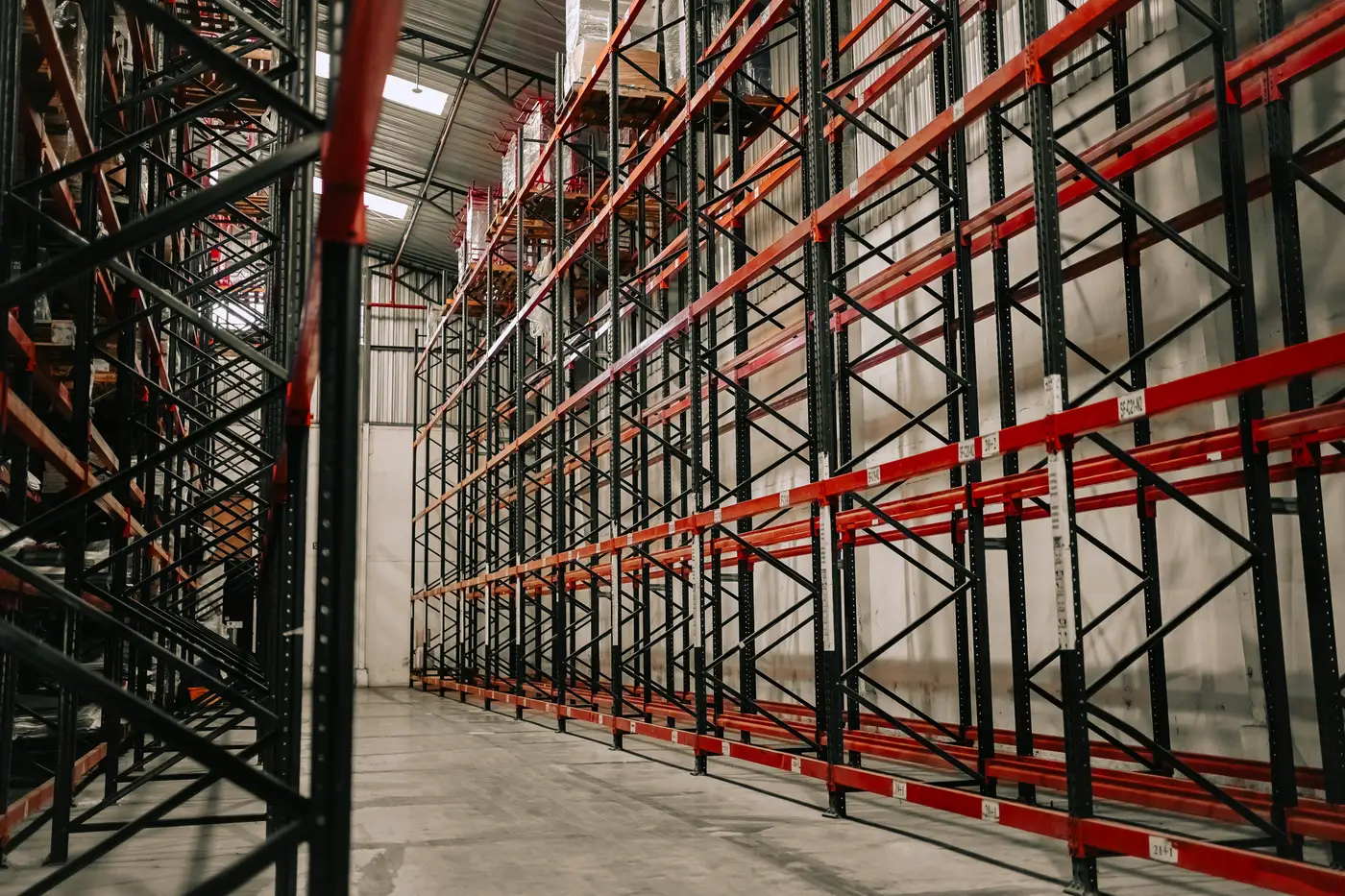
A Class A building, in most markets, means 32-to-36-foot clear height, ESFR sprinklers, a concrete truck court deep enough for 53-foot trailers to maneuver without a three-point turn, and dock doors on a ratio that supports cross-dock or high-throughput distribution. These buildings are usually under fifteen years old and built with the tilt-up panel and reinforced slab that modern automation and heavy racking expect.
Class B covers everything built in the prior generation of industrial development: lower clear heights (often 24 to 28 feet), fewer or narrower dock doors, a shallower truck court, and sprinkler systems that may predate ESFR standards. Each Class B building needs its own evaluation against what the tenant needs, rather than an assumption that it matches a current shell spec just because the lease rate looks right.
Where cold-chain tenants feel the difference
A dry-goods tenant can often absorb a Class B building's shortcomings with better racking or a slower pick path. Cold storage doesn't have that flexibility, because refrigeration isn't a layout decision, it's a structural one.
Start with the slab. Freezer and cooler floors need vapor barriers and insulation under the concrete, and retrofitting that into an existing slab means tearing it out, not adding a layer on top. A Class B building built for ambient distribution usually doesn't have it, which turns a "we'll build out the cooler later" plan into a full floor replacement.
Then there's power. Compressor racks, condensers, and backup refrigeration load pull a lot more amperage than dry warehouse lighting and dock equipment. Class A buildings built in the last decade tend to come with service sized for that load, or at least conduit run for it. Older Class B buildings often need a utility upgrade before a single compressor turns on, and that's a conversation with the utility, not just the landlord.
Clear height matters differently too. Cold-chain tenants running bulk frozen storage want height for rack density, since the real cost driver in a freezer is the square footage you're paying to keep at negative temperatures. A Class A building's extra eight feet of clear height can mean one less building in the network.
And don't skip the truck court. Reefer trailers idle at the dock longer than dry trailers during loading, both for temperature recovery and because cold-chain loads get checked more carefully before they leave. A cramped Class B yard that was fine for quick dry-van turns becomes a bottleneck when half your trailers are parked with the reefer unit running.
Plenty of cold-chain operators run profitable buildings that would grade out as B on a broker's sheet, especially where an existing tenant already did the slab and power work. The letter grade tells you the building's age and shell spec. Whether it works for refrigerated freight still has to be checked building by building.
Before any of that gets decided on-site, it helps to know what's around a candidate parcel: how much of the surrounding land is already built out with logistics uses, whether the access road can handle the truck volume you're planning, and whether the parcel itself has room for the yard depth cold-chain operations need. Distribution Siting pulls a high-res satellite read on a shortlist of parcels so you can rule out the ones with obvious access or land-use problems before anyone drives out to look at a slab.
If refrigeration retrofit cost and truck court depth are already on your shortlist checklist, run your candidate sites through Distribution Siting before the site visits get scheduled.