How to check utility power capacity before shortlisting a cold storage site
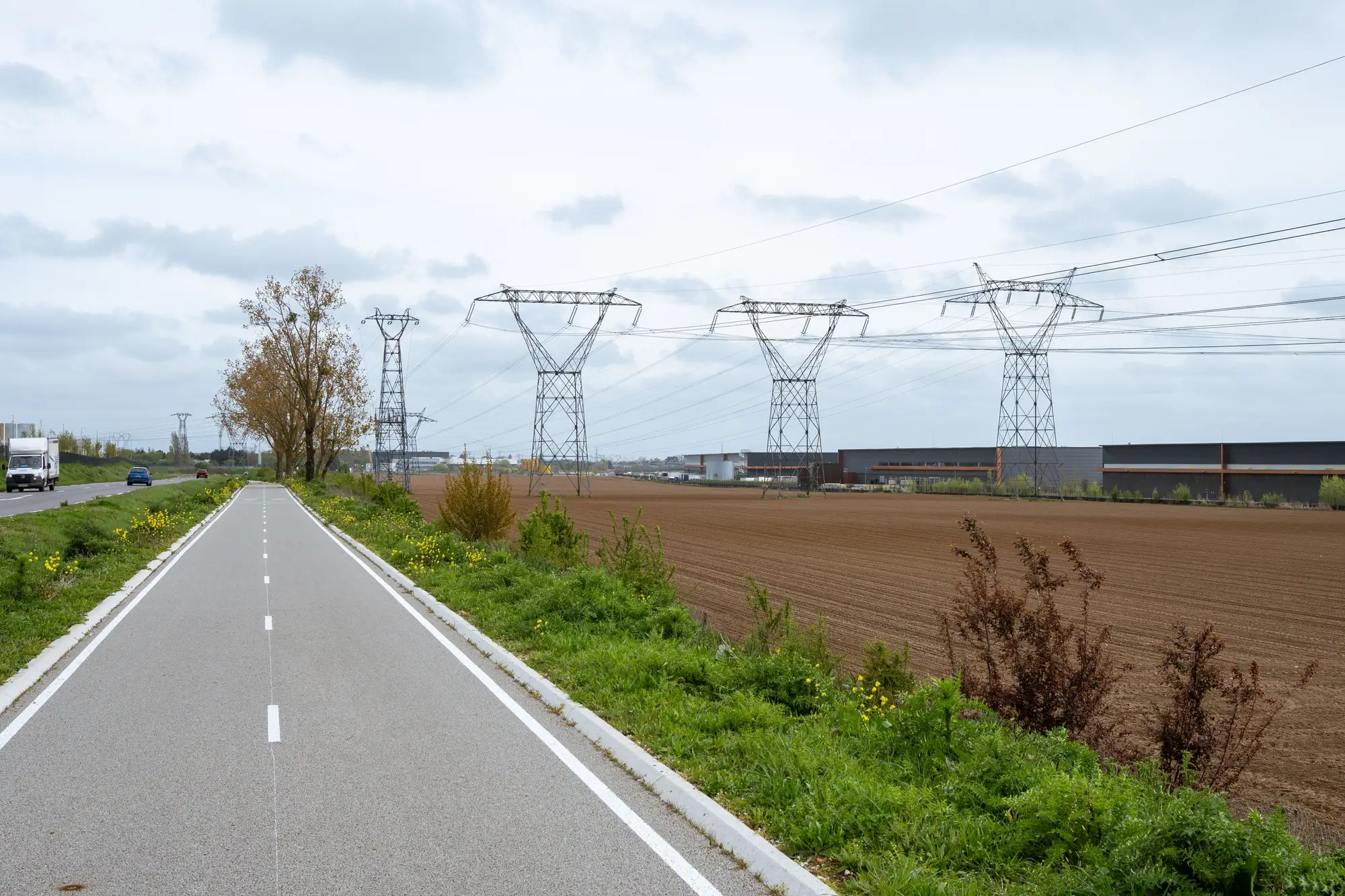
Cold storage pulls power the way a warehouse never does. A frozen distribution center with ammonia or CO2 refrigeration, a few dozen dock doors, and a decent-sized battery backup can land anywhere from 1.5 to 4+ MW depending on size and system type. That's not a load most feeders carry with room to spare, and it's rarely the first thing a network strategy team checks, because acreage and zoning are easy to pull from a desk and power capacity isn't. You usually find out a parcel can't take the load after a site visit, after a broker call, sometimes after a letter of intent.
Fixing this means asking the utility the right question, early enough, in the right order.
What "available capacity" actually means
A utility rep saying "power's available here" and a utility rep confirming your specific load is two different conversations. Three things determine whether a parcel can actually take a cold storage load:
- Existing service at the parcel. Some sites already have three-phase service sized for a prior industrial tenant. Most greenfield sites don't, and the nearest three-phase line might be a half-mile of trenching away.
- Feeder and substation headroom. Even with three-phase service nearby, the substation feeding that line has a rated capacity, and other customers on the same feeder are drawing against it. A utility can tell you the feeder's name and its loading percentage if you ask the right desk.
- Interconnection queue position. Data centers, EV fleet charging depots, and manufacturing expansions all compete for the same substation headroom. If three other large loads are ahead of you in the queue, your timeline just became their timeline.
None of this shows up on a parcel listing, a zoning map, or a tax record.
The call to make, and who to make it to
Skip the general customer service line. Ask for the utility's large-load desk, sometimes called economic development services or new business engineering, depending on the utility. Bring a load estimate in kW or MW, not square footage; "150,000 square feet" means nothing to a planning engineer, "2.4 MW at full compressor run" does.
Ask for three things in writing, not verbally:
- A preliminary capacity or will-serve letter specific to your load estimate, not a generic "service is available in this area" statement.
- The feeder or substation identifier serving the parcel, along with its current loading percentage if the utility will share it.
- If capacity falls short, the utility's estimated timeline and cost allocation for a substation or feeder upgrade. This is often a multi-year item, and it's frequently the buyer who fronts part of the cost.
A verbal assurance from a field technician or a leasing broker's "power's not an issue here" doesn't bind the utility's planning department. Get the letter.
Where this fits in the shortlist, not ahead of it
Power capacity checks take real time: a phone call that turns into a follow-up, a load study that takes weeks, sometimes a formal interconnection application. That's exactly why it shouldn't be the first filter you run on a long candidate list. Spend it on parcels that have already cleared the cheaper checks, usable land cover, real road access for cold-chain trailers, and a logistics footprint nearby that makes the site worth serving in the first place.
That's the gap Distribution Siting fills before the utility calls start: a satellite read of each candidate parcel's land cover, access, and nearby logistics density, so the list going into power and interconnection conversations is already the short one.
If you've got a long list of parcels and a short runway before site visits, run it through Distribution Siting first.