What is a foreign trade zone, and why it belongs on a distribution site shortlist
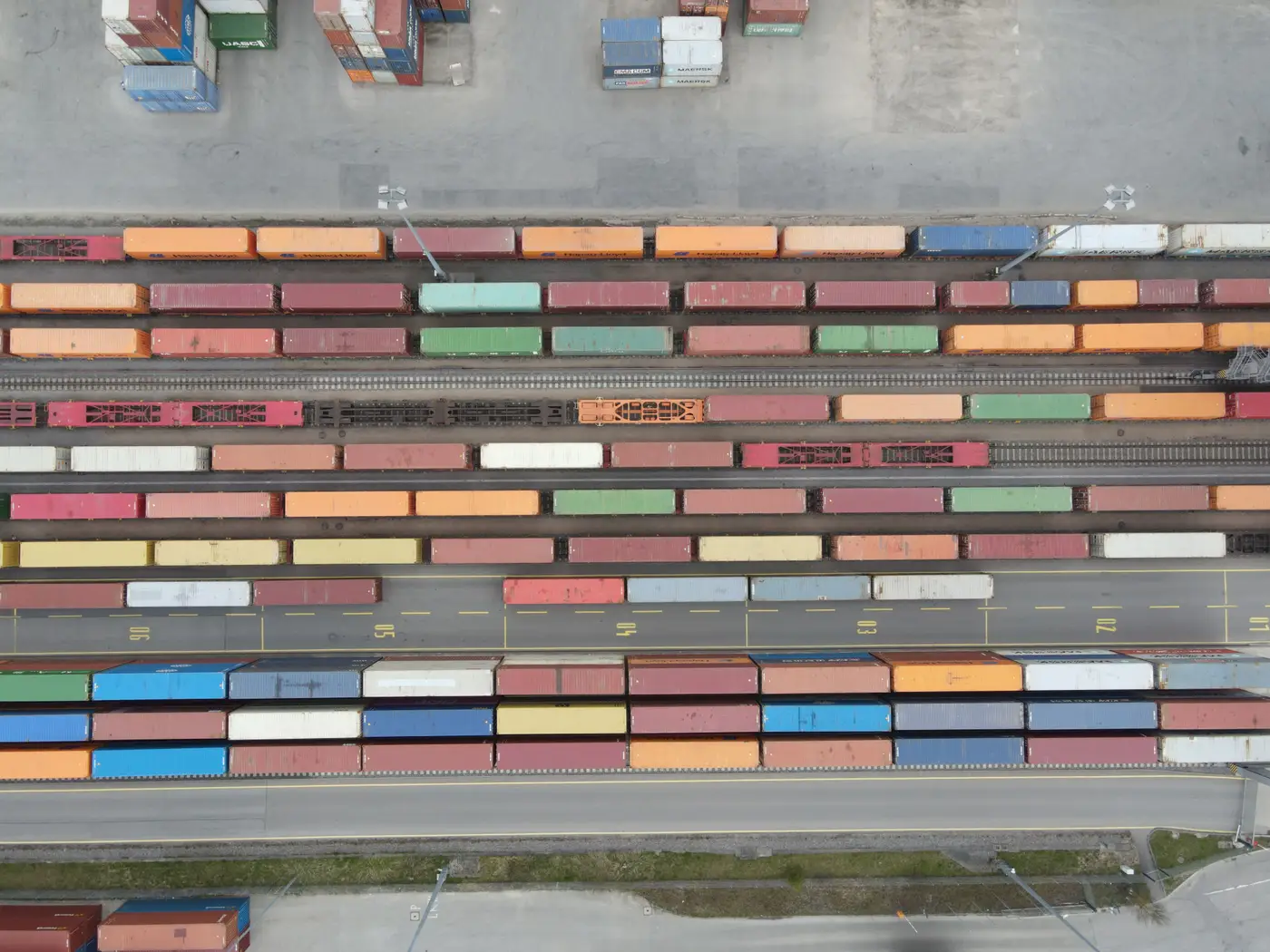
A foreign trade zone is a parcel or facility that U.S. Customs and Border Protection treats as outside the country for duty purposes, even though it sits on domestic soil. Goods can move into an FTZ, get stored, repackaged, assembled, or relabeled, and the importer doesn't owe duty until the goods leave the zone for domestic consumption. If the goods leave as exports instead, duty may never come due at all. For a warehouse or cold-chain operator running import-heavy volume, that timing difference is real money sitting in a parcel's zip code before you've even toured the building.
FTZ designation isn't something a site has by default. It comes from a grantee, usually a port authority or economic development group, that holds general-purpose zone status over a defined area, or from a company-specific subzone approved for a single facility. A candidate parcel can sit inside an active general-purpose zone, inside the service area of a grantee who could sponsor a subzone application, or nowhere near either one. That distinction changes what a facility is worth to your network before a single pallet moves, which is why a network strategy manager needs the answer earlier in the process than the real estate attorney does.
What FTZ status changes at a site
The duty deferral is the headline, but the part that moves the site-selection needle for a lot of operators is inverted tariff relief. If a facility imports components at a higher duty rate and assembles or kits them into a finished good that carries a lower rate, FTZ status lets the operation pay duty at the finished-good rate instead of the component rate. That's a real cost difference for an operation doing light assembly, kitting, or repack inside the four walls, which describes a meaningful share of modern distribution and cold-chain throughput.
None of that shows up on a parcel listing. It shows up in a zone-status lookup, and it's worth running against every site on a shortlist before anyone schedules a drive-out: the zone answer can change which candidates are worth the trip at all.
Where zone status fits in a shortlist screen
Zone status isn't a land-cover question and it isn't a road-access question, which is exactly why it gets skipped. A shortlist screen usually starts with the things you can see from above: is the parcel clear, does the access road reach a dock-door-capable entrance, is there enough existing logistics density nearby to support labor and carrier service. FTZ status sits alongside that work rather than inside it: a status check against the grantee's service area, run separately from the satellite read, cheap enough to run on every candidate before travel budget gets spent on any of them.
A parcel inside an active zone with poor road access and nothing around it logistically is still a poor candidate for the shortlist. A parcel with strong access and density but no path to zone status just means the duty-deferral math doesn't apply there, which is still worth knowing before building a pro forma around it. Running both screens in parallel, rather than discovering the zone answer after a site visit, keeps the comparison between parcels honest.
For the land-cover and access half of that screen, checking a shortlist of candidate parcels before anyone drives out is the part of this work that doesn't need a phone call to a grantee's office. A high-res pass over each site gives you the land availability, access, and nearby logistics-density read, so the FTZ question and the physical-site question get answered on the same timeline instead of one holding up the other.
If you're narrowing a list of candidate sites and want the physical read done before you spend a travel day on any of them, that's the problem Distribution Siting is built to solve.